
Commercial Hub
Partnering for a Cleaner Future
crcCARE bridges world-leading environmental research with practical commercial applications — delivering solutions that help industry, government, and communities manage contamination, restore land, and protect ecosystems.
Why Partner with crcCARE?
crcCARE transforms research excellence into real-world outcomes.
We work with commercial partners to accelerate the development and deployment of innovative technologies that clean up contamination, reduce risk, and support sustainable land use.
Our partnerships are built on trust, technical expertise, and measurable impact — ensuring environmental solutions that are scientifically robust, cost-effective, and commercially viable.

Our environmental and engineering services
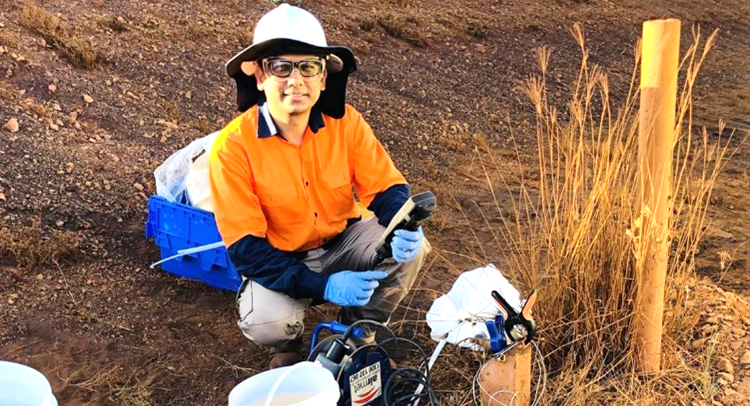
1. Contaminated Site Monitoring and Assessment
Effective contaminated site monitoring and assessment form the foundation of sound environmental management. By integrating field data, analytical results, and risk-based frameworks, scientists can evaluate the extent and impact of contamination on ecosystems and human health. Advanced monitoring technologies and systematic assessment approaches ensure that decision-making is evidence-driven and aligned with regulatory standards.
Key Points:
- Comprehensive site characterisation through soil, groundwater, and vapour investigations.
- Use of advanced field and laboratory techniques to identify contaminants of concern.
- Risk-based assessment to guide management and remediation priorities.

2. Groundwater Investigations and Modelling
Groundwater investigations and modelling play a crucial role in understanding subsurface hydrogeology, contaminant transport, and resource sustainability. Modern hydrogeological studies combine field data, geophysical surveys, and numerical models to predict groundwater flow and contaminant behaviour under varying conditions. This helps in designing effective monitoring, remediation, and water management strategies.
Key Points:
- Hydrogeological characterisation using borehole logging, aquifer testing, and sampling.
- Numerical modelling for flow, transport, and plume prediction.
- Decision-support tools to optimise groundwater management and remediation design.
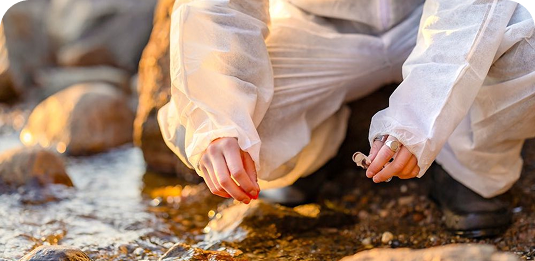
3. Remediation of Soil and Water
Remediation of contaminated soil and water aims to restore affected environments and protect communities. Innovative in-situ and ex-situ technologies are applied to degrade, immobilise, or remove pollutants efficiently and sustainably. Successful remediation combines scientific understanding with practical engineering to achieve regulatory compliance and long-term environmental recovery.
Key Points:
- Application of physical, chemical, and biological remediation technologies.
- Emphasis on sustainable and cost-effective cleanup solutions.
- Integration of monitoring data to evaluate remediation performance.

4. PFAS, Asbestos, and Lead
PFAS, asbestos, and lead are persistent and hazardous contaminants that pose complex challenges to environmental and public health. Managing these requires a multidisciplinary approach involving advanced detection, risk assessment, and innovative treatment methods. Continuous research and technology development are essential to mitigate their widespread impact and ensure safe environments.
Key Points:
- Advanced analytical and field methods for detecting persistent contaminants.
- Risk assessment and exposure management aligned with health and safety standards.
- Innovative technologies for removal, immobilisation, or destruction of contaminants.
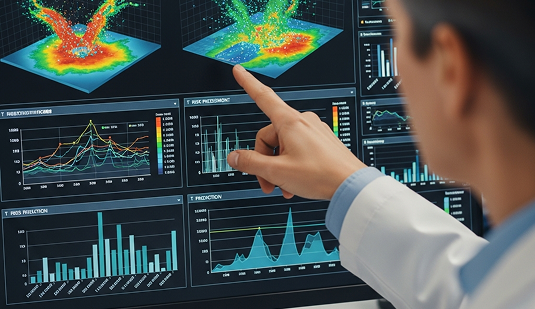
5. Data Analysis, Mapping and AI
Data analysis, mapping, and Artificial Intelligence (AI) are transforming environmental science by turning complex datasets into actionable insights. AI-driven models enhance pattern recognition, predictive analytics, and visualisation, leading to smarter and faster decision-making. These tools enable better understanding of contamination trends, environmental risks, and remediation outcomes.
Key Points:
- Integration of big data, GIS, and AI for environmental mapping and interpretation.
- Predictive modelling for contaminant behaviour and site management.
- Enhanced visualisation and reporting for improved decision-making.
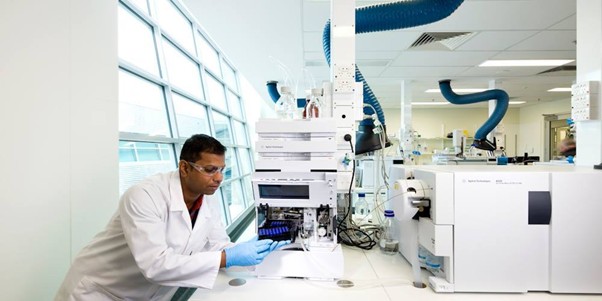
6. Scientific Review and Expert Advisory
Scientific review and expert advisory services ensure quality, credibility, and defensibility in environmental decision-making. Independent expert panels provide critical evaluation of methodologies, results, and policies to support evidence-based outcomes. This process strengthens stakeholder confidence and guides sustainable environmental management.
Key Points:
- Peer review and expert consultation for complex environmental projects.
- Quality assurance in assessment, monitoring, and remediation studies.
- Guidance for regulators, industry, and researchers on best practices.
Products and Technologies
From PFAS removal to landfill leachate treatment and water monitoring, crcCARE technologies are transforming the way we manage contamination. Browse each solution below for more detail, or download the crcCARE Technology Portfolio to see the full range of innovations in one place. For further information please contact us at admin@crccare.com
LLCARE
When landfills are exposed to rainwater or moisture, they can leach hazardous pollutants, such as microplastics and per- and polyfluorinated substances (PFAS), into the surrounding environment. This can be harmful to human health and ecosystems.
TWCARE
A tap-mounted device that removes PFAS from drinking water using replaceable cartridges monitored via a smartphone app. It delivers safe, clean water while allowing users to recycle used cartridges through crcCARE.
Heavy Particle Concentration (HPC)
crcCARE’s multidisciplinary program that investigates the behaviour, toxicity and risk of PFAS and other emerging contaminants to develop safer, smarter, and more sustainable remediation solutions.
Online VOC Monitoring System
A real-time sensor network that tracks volatile organic compounds beneath buildings, providing continuous, highly sensitive monitoring of air and soil contamination to support healthier living environments.
Contaminant Risk Assessment Research
A machine-based process that extracts lead from contaminated soil using a triple-helix spiral belt. Optimised by crcCARE, this method has successfully remediated thousands of cubic metres of shooting-range soil in Australia.
probeCARE™
A Bluetooth-enabled sensor array and app that measure multiple ions in irrigation water in real time. It helps farmers monitor water quality and adjust fertilisation strategies for sustainable crop management.
astkCARE™
A portable test kit that detects PFAS in soil or water using colour-changing indicators and a smartphone. It provides rapid, first-pass field results to guide further laboratory analysis.
purgeCARE
A filter-based treatment that removes PFAS, petroleum hydrocarbons and solvents from groundwater purged during sampling. It allows on-site filtration, enabling safe return of clean water to the environment.
gwsCARE
A compact, easy-to-operate groundwater sampling tool that simplifies testing for PFAS, hydrocarbons and other contaminants, enabling faster, more efficient data collection from wells and surface water.
nano-matCARE™
A nano-clay powder that binds PFAS in contaminated concrete, preventing leaching and eliminating the need for costly demolition or disposal. It offers a safer, more economical remediation option.
matCARE™
A modified clay that locks up PFAS from firefighting foams in contaminated soil and water. Proven to reduce PFAS below drinking-water limits, it’s a sustainable, large-scale remediation technology already used in millions of litres of treatment.
Mobile PFAS Remediation Plant
A transportable system using matCARE™ filters to remove PFAS from contaminated water at large sites. The mobile unit treats polluted water on location and returns it safely to the environment.
Groundwater Modelling Services
crcCARE’s advanced data and software modelling for predicting contaminant movement in groundwater, offering tailored analysis, mapping, and machine-learning-based monitoring tools.
Methane-Reducing Cattle Feed
A feed supplement made from modified natural clays that cuts methane emissions from livestock without affecting their health or nutrition, helping to reduce agriculture’s contribution to greenhouse gases.
Thank you to our partners